Wednesday, October 14, 2026
Get the briefingLead story · Maritime Security
Five incidents in 48 hours: the Strait of Hormuz enters a more dangerous phase.
Commercial ships are again being struck around the world’s most important oil chokepoint. The attacks are verified; the claim that Tehran is widening pressure to move prices and politics remains attributed reporting.
THE P&P METHOD
What happened?News
Why now?Context
How did we get here?History
ALWAYS FREEDaily newsRead every lead story without a paywall.
FREE ACCOUNT3 deep dives monthlyPlus one complete selected audio original.
P&P PLUS · COMING SOONUnlimited understandingEvery deep dive, audio documentary, map and timeline.
See access options →NEWS WITH MEMORY
Context & HistoryToday, in context.
01
Tanker War · 8 min read
When attacks on trade pulled great powers into the Gulf
The 1980s escort campaign shows how mines, tankers and insurance can turn a regional war into an international confrontation.Read with context02Oil markets · 8 min read
Why disruption matters before the strait closes
A chokepoint can impose a premium through uncertainty, delayed cargoes and insurance costs without being sealed completely.Read with context03Strategy · 8 min read
Maritime pressure creates leverage—and liabilities
Iran can raise costs for its adversaries, but each attack also invites escorts, retaliation and damage to its own trade.Read with context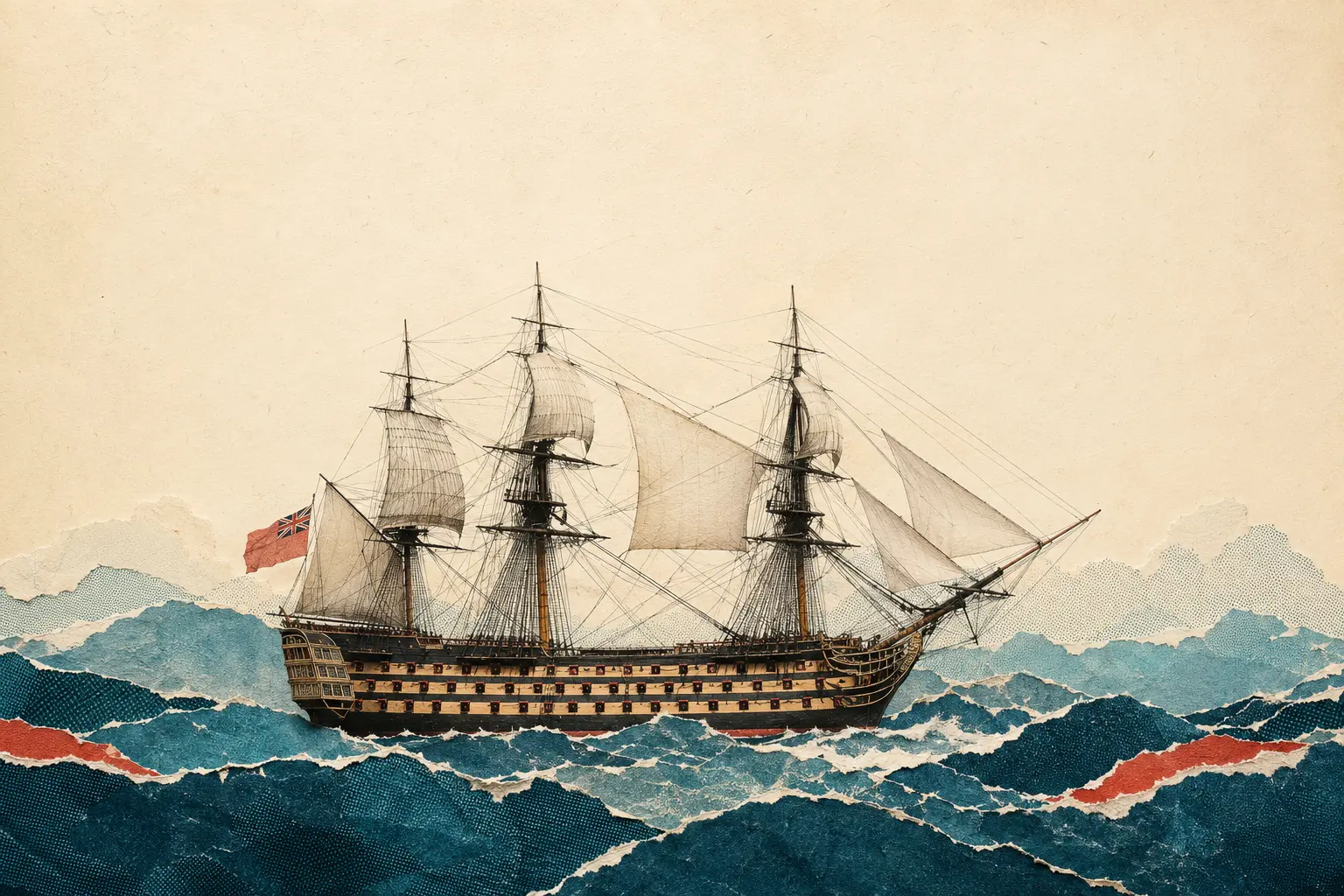 HISTORY LIBRARY · NAVAL POWER
FROM THE ARCHIVE
How HMS Victory survived its own firepower.
Step inside the construction, recoil systems and decisions that made Britain’s most famous warship endure.
P&P PLUS · COMING SOON